
Opinion
Keep Extremists Off Councils
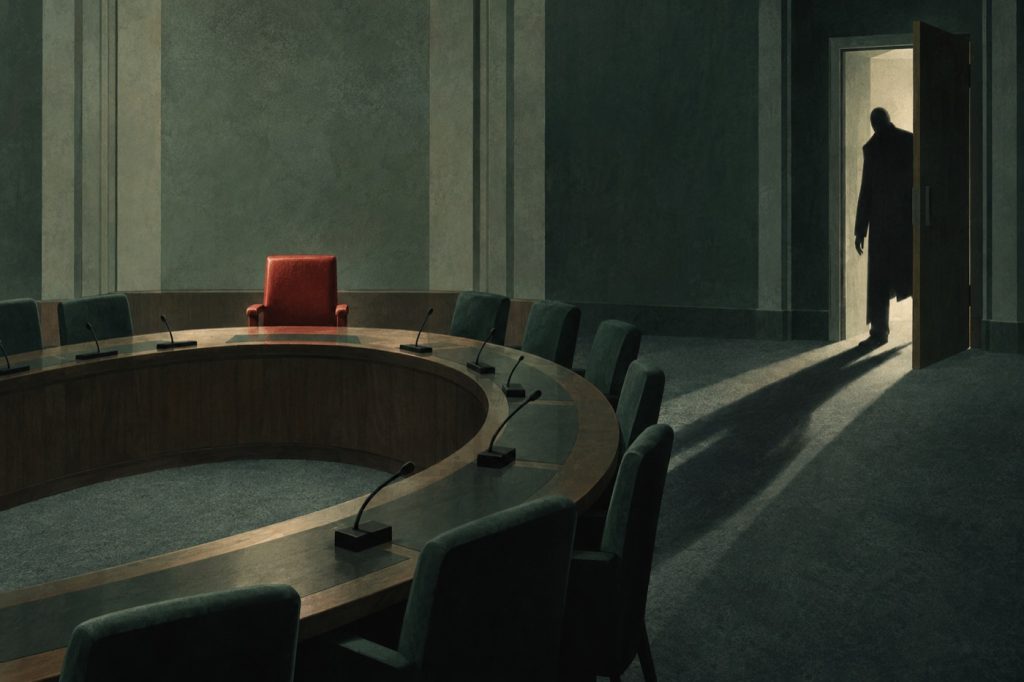
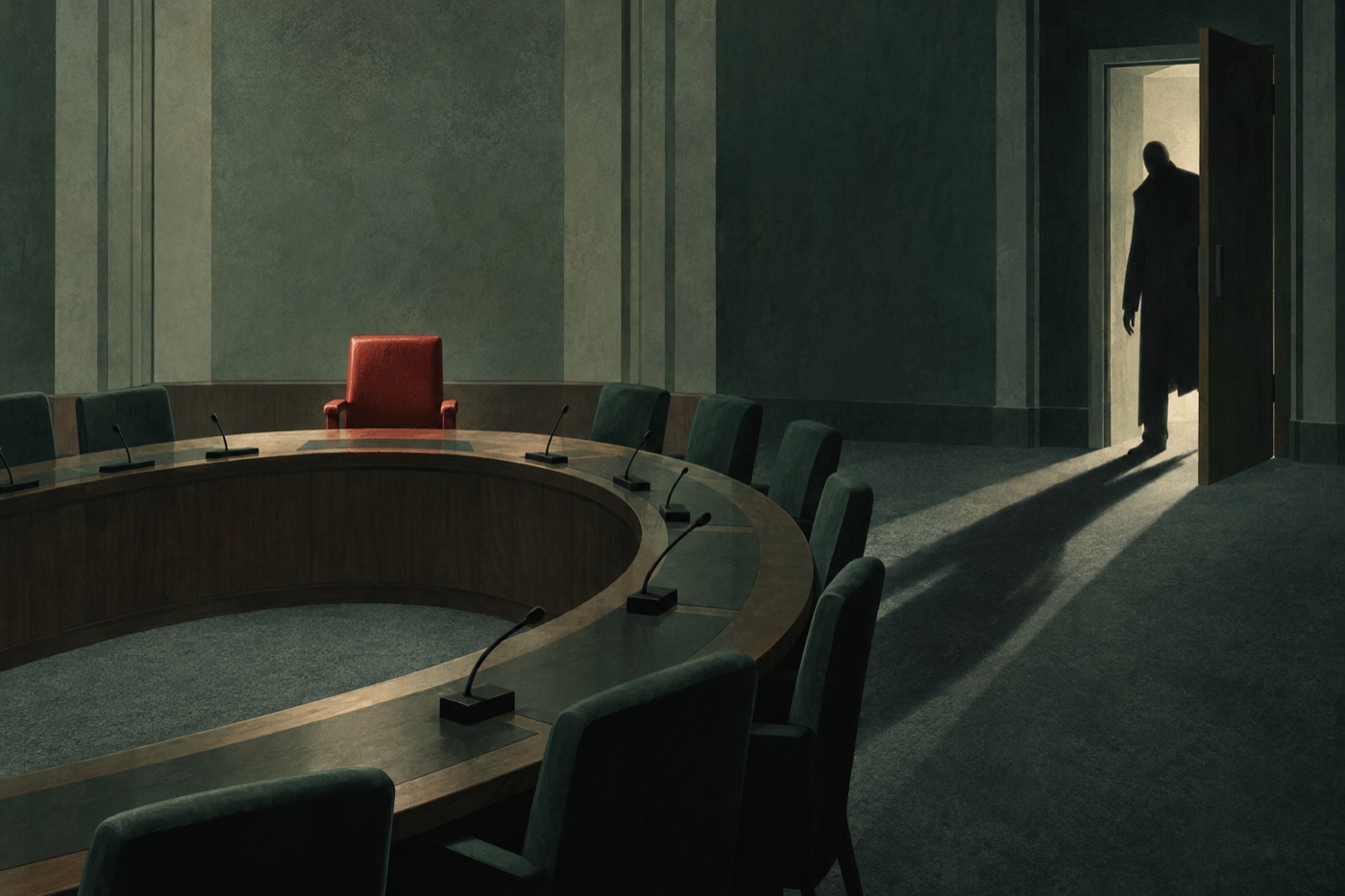
Local government is meant to be dull in the best way. Extremists see it as a side door into power, and Australia needs guardrails.

Chairman, Anti-Defamation Commission
Listen to this column 3:56 · AI narration
Most of us think councils are about simple things: fixing potholes, emptying bins, building playgrounds.
Local government is meant to be dull in the best way. Practical, close to home, focused on neighbours, not ideology.
But extremists know that too. They see councils as soft targets. No one pays much attention, so it's the perfect place to slip through the side door.
Behind the bland promises, the record shows something darker.
And here's the blunt truth: if you wouldn't trust someone to speak at your child's school assembly, why on earth would you hand them a council seat?
Nazis don't belong on the ballot. Extremists don't belong in council chambers. Hate has no place in public office.
Free speech is a right. But public office is not a right, it's a trust. And handing that trust to someone who openly spreads hatred is not democracy. It's negligence.
We can argue about taxes, climate policy, and spending priorities. But hate isn't a policy. It's a warning sign.
Democracy isn't a doormat. It doesn't have to let in people who want to tear it up from the inside.
Australia is not alone in facing this test. Other democracies have already acted. Greece banned the successor to the violent neo-nazi Golden Dawn party "to safeguard democracy." Germany uses what it calls "militant democracy", a reminder that democracy has the right to defend itself.
These nations have lived through the cost of letting extremists exploit the system.
They learnt the hard way that ballots can be abused like weapons.
Australia needs guardrails too. They don't have to be complicated. Candidates with a history of racist incitement, nazi symbols, or calls for violence should be automatically disqualified from running for local councils.

Candidates must declare memberships in extremist groups, and lying should mean instant disqualification. Our electoral bodies should be able to refuse nominations that cross the line, with quick court review for fairness.
It's not censorship. People can still rant online if they want. But they don't get the power to represent communities.
Local councils are where communities live together.
A councillor who despises parts of the community cannot serve it. Public office is a public trust.
And when you campaign on contempt, you don't get the job.
Allowing extremists on to councils isn't free speech, it's giving them a megaphone and a badge of legitimacy. And once that legitimacy is granted, hate spreads.
We've already seen how words can become weapons.
They wound, they isolate, and sometimes they prepare the ground for something worse.
The assassination of Charlie Kirk in the United States is a chilling reminder of what happens when rhetoric curdles into violence and when contempt crosses the line and a bullet ends a debate.
Some will say: isn't this censorship? No.
This isn't about silencing people in the public square.
This is about refusing to give them authority to govern neighbours they openly vilify.
It is about not normalising hate on the ballot.
Australia has been lucky so far. We haven't yet had a neo-nazi elected to a council chamber.
But unless we act, that luck will run out.
Councils are meant to serve all of us. All backgrounds. All faiths. All families. The moment we allow extremists into that circle of trust, we betray what local democracy is for.
We can argue fiercely about policy. We can divide over rates and rubbish. But there are some things that must not be up for debate.
Nazis don't belong on the ballot. Extremists don't belong in council chambers. Hate has no place in public office.
Our democracy is strong enough to argue endlessly.
But it is also strong enough to draw one clear line: the job is service. If you run on contempt, you don't get the job.
First published in the South Western Times, 18 September 2025.
Dr Dvir Abramovich is chairman of the Anti-Defamation Commission and the author of nine books. His latest publication is The Heart of Amos Oz: Love, War & Grief.