
Opinion
Everyone Wants the Temperature Down. Nobody Wants to Touch the Thermostat
After Helen Haines was run down outside her own office, the whole country called for calm. The heat comes from all of us, and so must the cure.
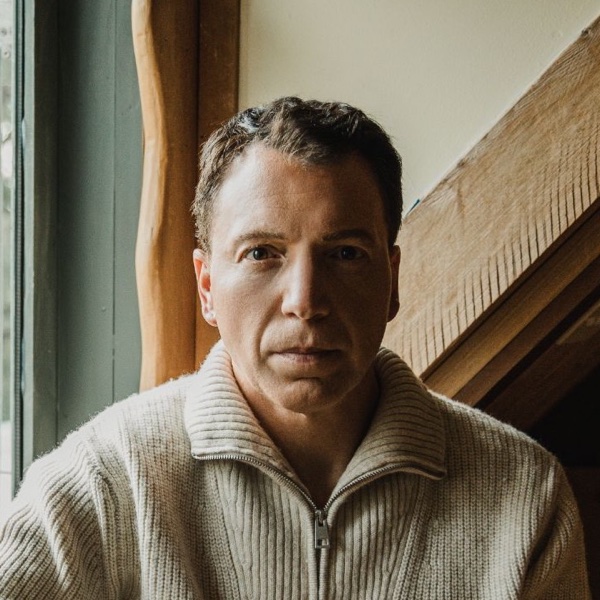
By Dvir Abramovich
Chairman, Anti-Defamation Commission
Listen to this column 4:37 · AI narration
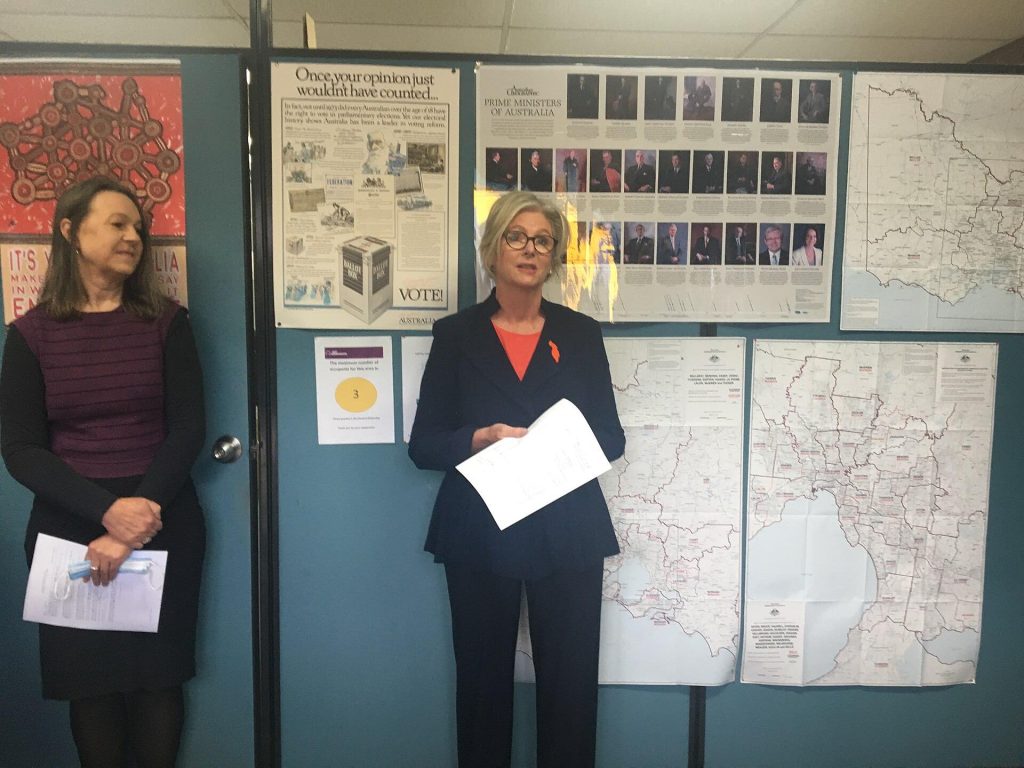
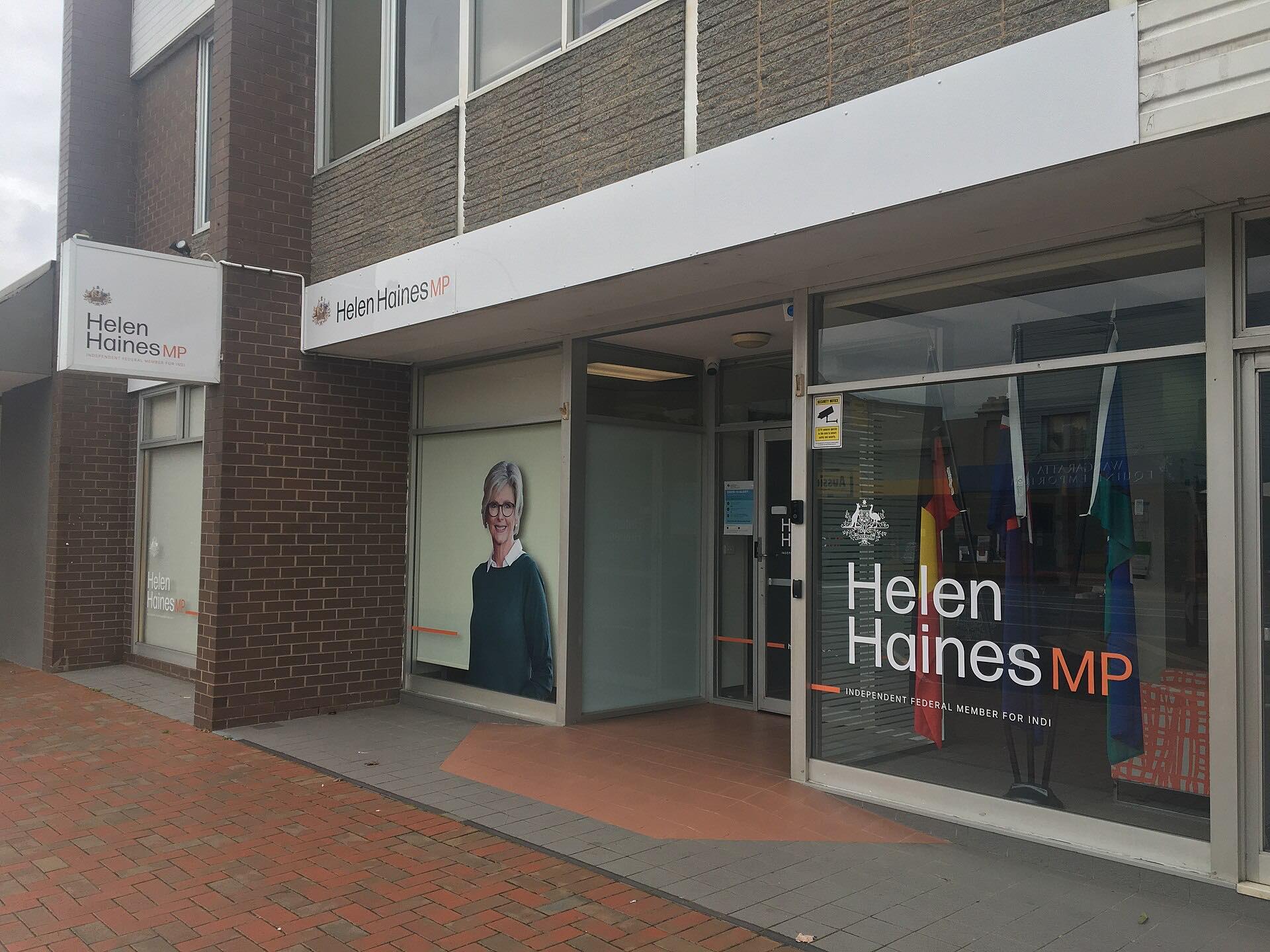
Within hours of Helen Haines being run down outside her own office in Wangaratta, the phrase was everywhere. Lower the temperature. The Prime Minister said it. The Opposition said it. The head of ASIO, who has been saying it for two years, said it again. By Wednesday it was a chorus, and by Thursday it was a cliché, and the member for Indi had lost both her legs.
I believe every one of them means it. That is the problem. A country full of people who sincerely want the temperature down, and a thermostat nobody will admit is in their own hand.
So let me say where the heat comes from, because it did not arrive on Monday afternoon in a white four-wheel drive.
It came from a decision, made nowhere and by everyone, that the people we disagree with are not merely mistaken but malign. Watch the words that now pass for argument: traitor, enemy, evil, un-Australian. These are not disagreements. They are verdicts. And a verdict needs no conversation, only a sentence. Once you have told a crowd that the woman across the chamber is a danger to their children, you have done the hardest part of someone else’s work for them.
It came from the hollowing-out of the places where Australians used to practise on each other. The RSL, the footy club, the parish, the branch meeting, the school committee: unglamorous rooms where you learned, week after week, that the bloke who was wrong about everything also drove the bus for the under-12s and buried his wife last spring. We let those rooms empty. Then we were surprised that people who never sat across from an opponent could no longer imagine one as human.
Kindness without courage is just avoidance.Dvir Abramovich
It came from the machines that replaced those rooms, which do not want us calm. Rage is the only product they sell. A screen cannot show you your neighbour’s grief; it can only show you his worst sentence, stripped of everything that would make you forgive it, and sell the space beside it. Each of us has felt it: the small hot pleasure of the pile-on, the certainty that comes from an audience of the like-minded. That pleasure is the thermostat. We turn it up with our thumbs.
And it came from a loneliness we have refused to look at. Scanlon’s researchers have measured it for years: the share of Australians who feel they truly belong here has fallen from nearly two in three to under half. Belonging is not a soft word. A person who belongs somewhere has something to lose. A person who belongs nowhere has only grievance, and grievance will attach itself to any face that is offered. The security agencies now say openly that the threat is less about ideology than about people looking for a cause to pin their fury on. That should frighten us more than any ideology, because it means the fuel is us.
Here is what the week after an atrocity usually produces: more fences. More guards at electorate offices, more bollards, more distance between the people and the people they elect. Some of that is now unavoidable, and it is a defeat. The Australian idea was that the local member stands at a trestle table outside the supermarket and you tell her what you think of her. Every fence we build to protect that idea kills a little of it.
The other thing the week produces is a sermon about kindness, and I will not preach one, because kindness without courage is just avoidance. What we need is harder than nice. It is the discipline of fighting someone with everything you have and still conceding they are a citizen, a neighbour, a father, a person who will go home tonight to a kitchen like yours.
In the United States, after a young activist was shot dead last year, a governor stood in front of the cameras and asked his country one question: do we escalate, or do we find an off-ramp? He did not pretend the answer was easy. He said only that it was a choice. That is the only honest version of lowering the temperature. It is not a wish. It is a decision made by one person at a time, usually at the exact moment they would rather not.
So, here is the thermostat. It is in the next argument you have, with the brother-in-law, the colleague, the stranger online who has just called you something unforgivable. You can answer the verdict with a verdict. Or you can answer the person.
Helen Haines spent seven years in Parliament answering the person. Monday was what the other road looks like, at its end.
Choose the off-ramp. Then take it.
First published on Never Silent (Substack), 24 October 2026.
Dr Dvir Abramovich is chairman of the Anti-Defamation Commission and the author of nine books. His latest publication is The Heart of Amos Oz: Love, War & Grief.